This guide explains how Drf Crefito supports clinical decision-making in dental care, with an objective overview of its role, typical indications, and practical workflow considerations. It also outlines comparison factors for suppliers, key conditions for appropriate use, and an industry-oriented checklist—so clinics can evaluate quality, sourcing, and patient fit with clear requirements.
When clinicians evaluate materials and components for modern dental care, Drf Crefito is best understood not as a single “miracle product,” but as a practical element that may support consistency, handling, and predictable outcomes when used under appropriate indications. In day-to-day practice, the most valuable question is not simply “what is it,” but how it integrates into a broader clinical workflow—starting at diagnosis and treatment planning, continuing through chairside execution, and extending into documentation, stock management, and risk control.
From an expert perspective, the value of considering Drf Crefito lies in four domains that align with common healthcare governance expectations: (1) clinical fit for a defined treatment goal, (2) sourcing reliability and traceability, (3) regulatory and quality alignment with procurement norms, and (4) clinician familiarity with handling and expected performance characteristics. In other words, even a product with strong claims can become operationally risky if it does not match a clinic’s established protocol, documentation capacity, or staff training baseline.
Practically, this means Drf Crefito should be evaluated the way a clinic evaluates any clinically relevant dental supply: through objective specifications, documentation completeness, staff usability, and documented handling instructions. The goal is to reduce variability across operators, shifts, and treatment sessions—because variability is often the hidden driver of inconsistent outcomes.
At the chairside level, clinicians typically care about real-world parameters: how the item is prepared, whether it requires specialized steps, how sensitive it is to storage conditions, how reliably it performs within the time window of the appointment, and whether any artifacts—such as labeling confusion, batch ambiguity, or incomplete paperwork—can create delays or risk during procedures. At the organizational level, procurement and quality teams care about the supplier’s ability to provide traceable documentation, stable supply, transparent complaint management, and clear return processes.
Therefore, the executive clinical focus for Drf Crefito is not simply “is it good?” but “is it governable, repeatable, and safe within our system?” That framing is the foundation for adopting any product at scale.
The term Drf Crefito is often encountered in dental supply ecosystems where products may be referenced by brand-style names, catalog identifiers, or shorthand used by clinics and distributors. Naming conventions can vary across regions, distributor catalogs, and even internal clinic purchasing lists. Because of that variability, top practice is to treat Drf Crefito as a product reference that must be confirmed to an exact specification.
In objective evaluation, clinicians and procurement teams should verify the precise product details. These typically include: material composition (where relevant), intended use statement, applicable dental technique compatibility, packaging format and seal integrity, shelf-life/expiry details, batch or lot identification, manufacturing identifiers, and labeling completeness. If the product is a component or adjunct rather than a standalone consumable, compatibility with other materials and equipment must also be verified—such as compatibility with adhesives, carriers, curing systems, mixing ratios, sterilization requirements, or other dependencies depending on the product category.
Healthcare procurement is heavily documentation-driven. That means the “objective background” is not about what marketing language suggests, but about what the supplied documentation, labeling, and traceability records actually support. Clinics should prioritize evidence that a product can be procured and used lawfully and consistently under local healthcare standards and internal quality management systems.
Where documentation is incomplete or where item identification is ambiguous, a clinic should treat adoption as a risk until clarity is obtained. Even if the item performs well clinically, documentation gaps can compromise audit readiness, patient-safety incident investigations, and staff confidence. Over time, those gaps can also create operational inefficiencies—such as delays when restocking, returns processing, or batch-specific recalls.
Even when a product is clinically appropriate for a chosen procedure, a clinic’s decision often depends on surrounding variables. For Drf Crefito, these surrounding variables typically include:
Clinics evaluate Drf Crefito alongside other supply factors because real clinical performance is a system property. A stable clinical protocol depends on how materials interact, how staff can reliably reproduce steps, how documentation ties a clinical event to the specific purchased item and batch, and how quickly the clinic can respond to issues.
It is also important to consider how Drf Crefito affects the appointment experience. If it introduces delays—such as extra preparation time, complex steps, or uncertain labeling—it can strain chair time and indirectly affect outcomes through time pressure. Clinics therefore often treat workflow fit as a safety and quality issue, not merely an efficiency issue.
From an industry-informed standpoint, suppliers are evaluated on their ability to deliver more than a product. Clinics need continuity: timely shipments, correct item specifications, transparent labeling, and responsive communication for technical or logistic issues. If a clinic cannot reliably source Drf Crefito, it may be forced to use alternatives mid-stream, undermining protocol consistency and potentially compromising continuity of care.
Therefore, when comparing options for items referenced as Drf Crefito, the decision-relevant questions usually involve:
Quality management is not only about whether the item is correct; it is also about whether the supply chain can support patient safety if a question arises. For instance, in the event of a suspected batch-related performance issue, traceability and documentation completeness allow targeted investigations rather than broad guessing. That targeted investigation is a core governance benefit for clinics.
Supplier reliability also influences staff trust. If a clinic frequently experiences shipment errors—wrong catalog item, missing batch identifiers, or incomplete documentation—staff begin to double-check more steps chairside, which can slow appointments and create procedural fatigue. Over time, that fatigue can lead to mistakes. Thus, supply reliability indirectly affects clinical risk.
Before adopting or standardizing Drf Crefito within a clinic, ensure you verify conditions/requirements that commonly underpin safe, effective practice. While exact requirements vary by product specification and local rules, the objective checklist below reflects widely used healthcare procurement and clinical governance principles.
Comparison table (supplemental): Drf Crefito sourcing and clinical readiness factors
| Evaluation Area | What to Check | Why It Matters Clinically |
|---|---|---|
| Product specification | Exact name, intended use statement, and relevant technical details | Confirms clinical compatibility with the chosen procedure |
| Traceability | Batch/lot numbers, labeling accuracy, and documentation completeness | Supports audits and helps manage product-specific incidents |
| Quality system evidence | Supplier and/or manufacturer quality documentation suitable for healthcare procurement | Improves confidence in consistency and process control |
| Handling and storage | Manufacturer guidance for storage conditions, expiry/validity, and preparation steps | Reduces risk from improper storage or preparation |
| Clinical workflow fit | Chairside steps alignment with the clinic’s existing protocol | Minimizes disruption and supports reproducible procedure execution |
| Complaint and replacement process | Defined process for defective item reports and resolution timelines | Protects continuity of care and supports risk management |
| Regulatory compliance | Confirm legality of procurement and use under applicable regulations | Ensures the clinic operates within required healthcare standards |
| Inter-material compatibility | Compatibility with other items in the procedure (where applicable) | Prevents performance degradation due to mismatched systems |
| Staff training requirements | Existence of training materials, user instructions, and practical implementation guidance | Reduces operator variability and improves consistency |
Beyond the table, clinics should also verify additional operational requirements that are often overlooked:
These requirements help ensure that the product’s intended performance is not compromised by environmental drift, administrative failure, or training inconsistency. A clinically ideal material can still underperform if it is stored incorrectly, used outside its shelf-life, or recorded without batch-level traceability.
Below is a practical, objective workflow clinics can use when evaluating Drf Crefito. This is written as a generic governance approach; your final steps should align with local regulations, your internal quality system, and the manufacturer’s instructions. The intent is to provide a structured path from initial interest to controlled adoption—without relying on assumptions.
Clarify what you intend to achieve and which procedure sequence the product supports. Ambiguity at this stage leads to mismatched purchasing. For example, clinics should clarify whether the product is used in restorative phases, preparatory phases, adjunct phases, or maintenance steps. If Drf Crefito can be used in multiple contexts, specify which context you mean and ensure the product’s stated intended use matches that context.
Also define measurable success criteria. Even if clinical outcomes are multifactorial, you can define operational markers such as handling time, ease of application, and documentation completeness. These markers help decide whether the product “fits” without waiting for rare adverse outcomes to reveal issues.
Ask suppliers for complete product labeling information, specification sheets, and any relevant quality documentation that supports safe procurement decisions. Clinics should verify that documents reflect the same product identification shown on the packaging.
In a governance mindset, documentation verification includes reading for: intended use, contraindications, warnings, preparation instructions, storage requirements, and any stated performance limitations. If any documentation is missing—such as batch traceability instructions or handling guidelines—treat that as a “hold” condition until resolved.
Ensure the product’s stated indications align with your planned dental application and technique requirements. If compatibility with other materials is relevant (for instance, materials that interact chemically, physically, or in curing/setting behaviors), confirm those compatibility statements via documentation.
Clinics should not rely on informal assurances like “it works with everything.” Instead, ask for explicit compatibility guidance, particularly if the product’s performance depends on specific system components.
Confirm batch/lot numbering and that the documentation you receive matches the delivered packaging. Traceability evaluation should be operationally testable: verify you can read the batch/lot number, verify it is consistent across labels and shipping documents, and verify you can store that information in the record system.
For audit readiness, confirm whether the supplier provides documentation that supports batch-level traceability and whether your clinic workflow can capture it reliably without staff needing to improvise.
Review manufacturer guidance for storage conditions and chairside preparation. Train staff to follow the same steps across shifts. Handling assessment should include practical “dry run” checks such as: does the product require opening conditions, does it require mixing, does it have time-sensitive stability, and are there any special steps to reduce contamination?
If the item has sensitivity to moisture or temperature, confirm storage controls and staff access procedures. If handling steps are complicated, consider whether you need additional training modules or simplified documentation cards at the point of use.
For a new adoption, clinics often test integration under controlled internal conditions to validate workflow fit and documentation accuracy. Define a pilot duration and scope. For instance, limit early use to a subset of clinicians or a limited number of appointments, and ensure each case includes complete documentation capture.
During the pilot, collect both clinical feedback and operational metrics. Operational metrics can include time-to-prepare, rate of documentation errors, rate of packaging or labeling discrepancies, and ease of use for chairside assistants. Clinical feedback can focus on consistency of performance in the chosen indication.
Track practical measures: procedure smoothness, documentation completeness, any handling complaints, patient follow-up adherence, and whether any incidents required escalation.
From a governance perspective, record not only outcomes but also “near misses,” such as: packaging that arrived with damaged seals, batch number readability issues, or confusion during procurement due to mismatched product naming. Near misses are often more useful than rare adverse events for improving system reliability.
If the product consistently meets specification and workflow needs, standardize. If issues arise, adjust purchasing criteria, require additional documentation, update training, or discontinue use.
Standardization should include: defining which clinical indications are covered, defining staff training completion requirements, and defining documentation expectations (including batch-level traceability). If Drf Crefito will be used across multiple operators, ensure uniform training and a consistent point-of-use instruction set.
You requested integration of price information and supplier details. However, no explicit price, currency, supplier name, or location-specific cost data was provided in the prompt. In healthcare procurement writing, a responsible method is to describe price evaluation criteria without inventing numbers. This ensures claims remain accurate and non-speculative while still giving procurement teams a practical decision framework.
For Drf Crefito purchasing decisions, clinics typically compare the total procurement value using criteria such as:
In practice, many clinics discover that a slightly higher unit price from a more reliable supplier can be cheaper overall once the hidden costs—administration, downtime, and complaint handling—are accounted for. If a clinic has a strong inventory and documentation system, it can better monetize value by tracking outcomes and avoiding unnecessary disruptions.
If you share your actual price quotes (even approximate ranges) and supplier names, it becomes possible to rewrite this article to incorporate them precisely. The key is to keep the article factual: quote numbers should be tied to supplier-provided documents or clearly labeled as estimates pending procurement approval.
Your instruction includes replacing any occurrence of a city or country keyword with “nearby.” Since no specific city/country appears in the provided keywords, this guide uses generally applicable procurement and clinical governance language. In practice, clinics “nearby” often share similar constraints: distributor availability, appointment scheduling rhythms, procurement lead times, and how quickly procurement teams can resolve documentation issues.
Localization matters because it affects operational feasibility. For example, in many clinics, the main friction is not the clinical efficacy of a product, but delays in paperwork, batch identification, and replacement logistics. When suppliers are relatively accessible “nearby,” clinics can often respond faster to shipping discrepancies and reduce the time clinicians are without a standardized supply.
However, localization should not be treated as a substitute for verification. Clinics that assume a local supplier is always easier must still confirm traceability documentation, labeling accuracy, and intended use compatibility. “Nearby” can improve responsiveness, but it does not eliminate the need for formal governance.
Regional procurement practice also influences standardization. If clinics “nearby” share similar audit expectations or documentation formats, adopting standardized purchasing requirements becomes more efficient. For instance, a clinic might align its internal record templates to match common supplier documentation fields, reducing staff data entry errors.
Drf Crefito is commonly used as a product reference within dental supply contexts. Because naming can vary across distributors, clinics should confirm the exact item specification, intended use, and labeling details before purchasing and using it. In governance terms, treat Drf Crefito as a reference name that must be mapped to an unambiguous catalog item and specification sheet.
If multiple items share similar shorthand names, clinics should request the supplier to provide full item identification: catalog number, manufacturer name, batch/lot label format, expiry labeling, and the official intended use statement.
Drf Crefito should be used only for the procedure and indication described in the product’s instructions or intended use statement. If the intended application is unclear, the responsible step is to request documentation from the supplier/manufacturer. Clinics should avoid “off-label assumption” behaviors, especially when documentation is missing.
Additionally, if the product depends on specific technique parameters—such as required isolation, specific timing, or compatibility with other materials—clinicians should ensure those parameters are reflected in the clinic’s protocol and staff training.
Clinics typically verify quality for Drf Crefito by confirming traceability (batch/lot numbers), labeling accuracy, storage/handling guidance, and completeness of documentation. Supplier communication quality and a clear complaint/returns process also matter for ongoing risk management.
In addition to documentation, clinics may verify quality operationally through a controlled pilot protocol, using structured checklists and staff competency verification. If any handling issues or documentation mismatches occur, clinics should treat them as evidence to revise supplier criteria or protocol training.
At minimum, suppliers should provide item identification and documentation suitable for healthcare procurement, such as product labeling details and traceability information per shipment. The exact documentation set depends on local regulatory expectations and internal quality standards.
Clinics often request: product specification sheets, intended use statements, labeling images or label text, batch/lot traceability documentation, shelf-life/expiry guidance, storage conditions, and complaint/returns procedures. If the clinic requires additional compliance documentation for audit readiness, those requirements should be clearly communicated during supplier qualification.
Standardization is feasible when handling protocols are trainable and documented consistently. The clinic should ensure staff follow the same steps and that internal documentation remains complete for audit readiness.
To standardize effectively, clinics can: (1) create a simplified point-of-use checklist, (2) define who is authorized to apply the product and under what indications, (3) implement batch/lot capture steps into the recordkeeping workflow, and (4) conduct periodic competency reviews and pilot audits.
Price should be compared as part of total procurement value: shipping and lead time, documentation completeness, order minimums, return logistics, and operational impact—rather than unit cost alone.
Clinics can use a scoring model that weights multiple factors: reliability, documentation completeness, lead time stability, complaint responsiveness, and total cost. This helps avoid the common mistake of choosing the lowest unit price from a supplier that creates hidden operational costs.
In dental product decisions, it is tempting to rely on promotional statements. A professional alternative is to use an evidence-and-governance mindset: verify documentation, confirm compatibility with the clinical procedure, and monitor outcomes through structured follow-up. This approach aligns with common risk-management practices in healthcare procurement.
Evidence-based caution also means distinguishing between different types of evidence. For example, product performance claims may exist in marketing materials, but procurement governance requires traceable, reproducible documentation from authoritative sources. If Drf Crefito is presented with broad performance claims, clinics should request the supporting documentation and confirm whether claims are relevant to the intended indication and technique used by the clinic.
Clinics should also maintain awareness of the limits of internal experience. Even if a clinic’s early results look good, documentation gaps can prevent root-cause analysis if concerns arise later. Therefore, evidence-based caution is not only about clinical performance; it is also about maintaining governance and traceability to preserve the clinic’s ability to investigate issues.
If you are writing for a specific readership—such as clinic owners, procurement managers, or dental clinicians—you can tailor the language (more technical vs. more operational) without changing the objective focus. For procurement teams, emphasize traceability documentation and complaint responsiveness. For clinicians, emphasize intended use compatibility, handling requirements, and protocol integration.
When a clinic replaces an existing product referenced in their workflow with Drf Crefito, the transition should be controlled. Consider the following governance and operational steps:
Switching also affects supply chain operations. Procurement teams should confirm that the new supplier can provide stable lead times and consistent packaging and labeling. Any transition plan should include a clear cutover date, a plan for returning or using remaining old stock, and a plan for handling any documentation gaps from the old product that might still need to be archived for audits.
From a clinical governance perspective, a controlled switch also reduces cognitive load. When staff are confident that the new product’s steps are clear and documented, they can focus on patient care rather than troubleshooting material behavior or deciphering labeling during appointments.
Evaluating Drf Crefito effectively means looking beyond the name and focusing on verifiable elements: intended use, specification clarity, traceability, handling requirements, and supplier reliability. By using a structured comparison approach and a step-by-step vetting process, clinics can make decisions that support patient safety, operational stability, and consistent clinical execution.
A clinic’s best defense against uncertainty is not guesswork, but governance: confirm documentation completeness, ensure staff training aligns with handling instructions, verify batch-level traceability capture, and monitor outcomes through a structured pilot and feedback loop. When those components align, adoption becomes not only a purchase decision but a system improvement—reducing variability, improving audit readiness, and strengthening the clinic’s ability to respond if questions arise later.
If you provide the specific details you want incorporated—such as (1) the relevant region context or confirmation of “nearby” handling only, (2) the supplier(s) you are comparing, and (3) the actual price quote(s) you want referenced—I can rewrite this article to include those precise details while keeping each claim accurate and compliant with healthcare writing standards.
Beyond the core adoption and evaluation workflow, successful integration of Drf Crefito depends on how well it is embedded into daily operational routines. Clinics often underestimate the amount of “invisible work” required to maintain traceability and consistency. The goal in this extended section is to make the integration practical: what to prepare, what to train, what to log, and how to ensure that the clinic can sustain the product reliably over time.
Many clinics create an internal “spec mapping” document when adopting products with brand-style names or shorthand references. The purpose is to avoid confusion between purchase order labels, shelf labels, and patient record references. When Drf Crefito appears in a clinic’s purchasing system, clinicians and assistants should see a mapped record that includes: exact catalog number, manufacturer identity, intended use statement summary, and key handling/storage requirements.
To build this mapping, procurement can do the following:
This prevents a common operational failure mode: staff receiving shipments with packaging labels that differ slightly from the clinic’s previous supplier’s labels. If the clinic has a mapping and training on what to record, staff errors decrease.
For Drf Crefito to produce consistent outcomes, the clinic should implement a chairside checklist. The checklist should cover the steps that influence performance and the steps that influence documentation. A strong checklist typically includes three categories: “prepare,” “apply,” and “record.”
Examples of “prepare” checklist items might include:
Examples of “apply” items might include:
Examples of “record” items might include:
Over time, this checklist becomes a training tool and a governance artifact. It also supports continuous improvement: when staff identify recurring documentation confusion, the checklist can be refined.
Training is more effective when it is competency-based rather than simply attendance-based. For Drf Crefito, clinics can design a short competency program that includes:
The reason to include documentation rehearsal is that recordkeeping errors often occur even when chairside handling is correct. If staff can apply Drf Crefito correctly but cannot capture traceability reliably, governance risks remain.
When clinics run a limited pilot for Drf Crefito, the pilot should answer specific questions. Otherwise, the pilot becomes anecdotal and hard to justify. A well-designed pilot includes:
Pilots often fail because they are too broad. If the pilot spans many indications and multiple procedure variants, the clinic cannot attribute success or failure to the product. Narrow scoping increases the value of the pilot evidence.
After adoption, clinics should treat Drf Crefito as an ongoing quality system element. Ongoing monitoring can include:
This monitoring is important because even if the product performs well initially, changes in supplier packaging, labeling formats, or internal logistics can reintroduce risk. Sustained monitoring ensures that performance remains predictable.
Even with best practices, clinics must be ready for the scenario where Drf Crefito is suspected to contribute to an incident or where documentation gaps are discovered. A risk management pathway should include:
Risk management is not only about clinical events; documentation failures should be treated seriously. A missing batch/lot number in patient records can itself be a governance incident because it undermines the clinic’s ability to investigate and correct issues.
To use Drf Crefito consistently over time, clinics must integrate it into inventory and procurement systems. This includes:
Procurement and inventory integration reduces the risk of “hidden variability.” If staff retrieve a product from storage without consistent labeling or if receiving checks are absent, the chance of using the wrong batch or wrong product increases. Over time, those errors can accumulate into clinical inconsistency and governance risk.
Successful supplier communication often determines whether a clinic can verify Drf Crefito effectively. Clinics can streamline supplier interactions by preparing a standardized list of questions and requesting documentation in a consistent format.
Useful questions include:
If clinics standardize these questions, supplier responses become consistent and easier to evaluate. This reduces time wasted on follow-ups and prevents ambiguous answers from being mistaken for confirmations.
Many clinics, especially those undergoing audits or internal governance reviews, benefit from building a procurement justification dossier for Drf Crefito. The dossier can include:
This dossier is valuable because it transforms adoption from a personal preference into an organizational decision. It makes it easier to justify the product choice to stakeholders and makes it easier to repeat the process for future products.
Clinics sometimes encounter challenges that are not “clinical” in the narrow sense but become material to adoption decisions. For Drf Crefito, consider the following advanced operational issues:
1) Interoperability across systems
If Drf Crefito is used alongside other products, interoperability matters. Interactions can affect outcomes if materials are chemically or physically dependent. A clinic should request compatibility statements or documented guidance from the supplier when relevant. Even if compatibility is not formally documented, clinics may perform controlled internal checks during a pilot, focusing on performance consistency and handling outcomes.
2) Packaging variability across lots
Occasionally, suppliers change packaging formats due to manufacturing updates. If packaging changes occur, the clinic must ensure that batch/lot identifiers remain readable and that staff know where to find the required traceability information. This is why internal mapping and checklist design are crucial: they reduce staff reliance on packaging familiarity.
3) Documentation formats and electronic record capture
Some suppliers provide documents in formats that are difficult to use in clinic workflows. Clinics can mitigate this by confirming that suppliers can provide documentation in accessible formats (e.g., clear label photos, batch/lot lists, and shipment documents). Clinics that use electronic health record systems should confirm how staff will enter batch/lot data and whether the record fields exist to capture that information reliably.
A mature clinical quality culture treats documentation readiness as an extension of clinical quality. For Drf Crefito, this means:
When staff understand the “why,” compliance becomes more consistent. Over time, this improves patient safety and reduces the burden of late-stage audit scramble.
To help decision-makers quickly evaluate Drf Crefito, clinics can use a compact checklist. A “go” decision should only be made after key items are verified:
This checklist helps reduce the chance that clinics adopt Drf Crefito based solely on unit price or marketing claims.
In the final analysis, “good adoption” of Drf Crefito is not a one-time approval event. It is an ongoing capability: the clinic can procure the item reliably, verify it correctly upon receiving, store it under compliant conditions, use it consistently according to the protocol, and record traceability accurately for each patient. It also includes the ability to investigate and respond to issues quickly and transparently.
By approaching Drf Crefito through objective evaluation, structured piloting, documented training, and continuous monitoring, clinics can reduce operational variability and strengthen both clinical outcomes and patient safety governance. If you want, share your specific product specification details and your actual supplier quotes, and the article can be refined into a procurement-ready narrative aligned with your clinic’s workflow and documentation system.
Striking the Perfect Balance: Navigating Premiums and Out-of-Pocket Expenses in Senior Insurance Plans

Explore the Tranquil Bliss of Idyllic Rural Retreats

How to Make Lasting Memories at Disneyland Attractions

Affordable Phones and Plans for Seniors

Affordable Full Mouth Dental Implants Near You

Unlock the Top Kept Secrets to Finding Your Ideal Dentist for Flawless Dental Implant Results!

Discovering Springdale Estates

Unveiling RS Sul Telecom Services

The Guide to Car Trading

Striking the Perfect Balance: Navigating Premiums and Out-of-Pocket Expenses in Senior Insurance Plans
Finding an optimal mix of insurance premiums and direct medical costs is crucial for effective healthcare budgeting. This discussion will delve into tactics to achieve a balance that aligns with your finances.
Unlock the Top Kept Secrets to Finding Your Ideal Dentist for Flawless Dental Implant Results!
Selecting an adept dentist is critical for ensuring the efficacy and your satisfaction during a dental implant procedure. This in-depth guide is designed to assist you in finding a dental expert who meets your personal requirements, guaranteeing that your path to dental implant success is seamless and fruitful.
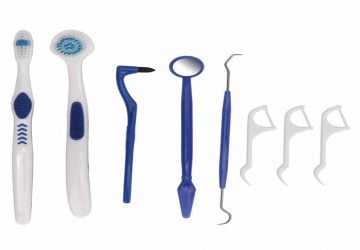
Protect Your Perfect Smile: Master the Art of Defending Your Teeth Against Acid Attacks
Though they may tantalize the palate and invigorate the senses, foods and drinks with high acid content are a double-edged sword with regard to oral wellness. Continual exposure to these substances progressively strips away the protective enamel from our teeth, which can lead to increased sensitivity, changes in coloration, and a variety of other dental complications. This composition offers insight into relishing these zesty favorites while safeguarding your teeth from damage.

Discovering Heartis Eagle Mountain
Heartis Eagle Mountain is a prominent senior living community that offers a range of services and amenities aimed at enhancing the quality of life for its residents. Situated in a peaceful setting, it combines exceptional care with engaging activities, providing a holistic environment that caters to seniors' physical, emotional, and social needs.

Unveiling the Top Dental Implant Options for Seniors: Transform Your Smile with the Ultimate Guide to Restored Radiance
The significance of oral health cannot be understated for the elderly population as they are commonly afflicted with tooth loss due to a multitude of factors, including decay and gum disease. Dental implants have risen to prominence as a prime method of teeth replacement, acclaimed for their long-lasting nature, functional prowess, and striking similarity to our own teeth. This discussion delves deeply into the realm of dental implants to demonstrate why they are considered the optimal choice for aged individuals aiming to enhance their smiles and overall life quality.

Boost Your Defenses: 20 Proven Strategies for a Stronger Immune System
Having a robust immune system is essential to protect our bodies from harmful microorganisms and preserve our general health. Although some elements that affect our immunity are out of our hands, many lifestyle decisions can help us enhance our immune defenses naturally. This piece delves into 20 practical methods to empower your immune system, increasing your capacity to ward off diseases and sicknesses.
