This guide explains how Dentalplans.com and related dental resources can help you plan for low-cost dental implants across English-, Spanish-, and Portuguese-speaking countries. It compares reputable information sources, summarizes key clinical steps and requirements, and provides country-by-country implant cost ranges. You’ll also find expert guidance, practical evaluation checklists, and FAQs—written to support informed decisions.

Low-cost dental implants can be a realistic goal, but the critical factor is not simply the lowest price—it’s clinical fit, safety, and transparency across the full treatment pathway (assessment, surgical planning, implant placement, restoration, and follow-up). In this context, Dentalplans.com is often explored as a planning and education entry point for people comparing dental coverage options and reducing out-of-pocket pressure. Alongside that, reputable clinics and dental information providers (including resources on low-cost implant options, dental tourism, and implant education) can help you understand what “affordable” should mean in practice: fewer surprises, clear documentation, and care that matches your bone condition and good goals.
From an expert perspective, the strongest approach is to combine three layers of preparation:
When these three layers are aligned, low-cost becomes a controlled outcome rather than a risk factor. When they are not, low-cost can turn into “cheap at first, expensive later,” particularly if an implant fails, if bone augmentation is needed unexpectedly, or if the final restoration requires rework due to occlusion problems.
People researching implants frequently search for insurance or plan-based solutions because dental procedures can be expensive, and budgets are rarely designed for multiple visits plus imaging and restoration work. While Dentalplans.com is commonly used as a consumer-facing resource to explore dental plan options, it’s top treated as a planning tool rather than a guarantee of a final implant price. In many cases, dental plans can help reduce costs for certain services (such as exams, diagnostics, and selected preventive or basic procedures), while implant surgery and major restorative components may be partially covered or treated differently depending on the plan.
For decision-makers, the practical takeaway is: if you’re using Dentalplans.com to evaluate plan fit, also build a “treatment transparency file” before you book any surgical consultation. That file should include your diagnostic imaging (when available), a list of medications, a brief dental history, and the questions you want answered about implant type, number of stages, expected healing timeline, and follow-up schedule.
In other words, don’t let plan exploration replace clinical assessment. Plans can be helpful for cost planning, but candidacy and clinical requirements still determine what treatment is necessary. A responsible clinician will not “force fit” a plan. Instead, they will create a medically appropriate plan and then work within your coverage—using billing codes and documented diagnostics where possible.
In clinical terms, low-cost dental implants should reflect efficient care delivery and/or plan-driven cost reduction—not compromised safety or inadequate planning. Quality is influenced by factors such as:
When clinics market low-cost options, it’s reasonable to ask what is being reduced: the overall fee, the number of visits, the financing terms, or the type of restoration. A responsible provider will explain these variables clearly. If the explanation is vague—such as “it’s cheaper because it’s a special package” without clarifying whether imaging is included, whether you get a temporary, what materials are used, and what your follow-up schedule looks like—consider that a red flag.
It also helps to define your own low-cost boundary in advance. For example:
These preferences help you compare clinics using criteria beyond marketing slogans. You can ask for the same information from each clinic—then compare apples to apples.
Before comparing clinics, it helps to compare information sources. Some sites focus on affordability, others emphasize insurance guidance, and others focus on dental tourism planning. The goal is to map which resource answers which question—pricing education, implant type explanations, treatment process clarity, or coverage pathways.
| Website category (information focus) |
|---|
| Low-cost implant education (implant types, benefits, and pricing transparency) |
| General clinic service discovery (broad treatment offerings and scheduling pathways) |
| Dental tourism cost comparison (travel + care planning for affordability) |
| Dental insurance plan guidance (coverage structure, how plans work, and next steps) |
| Language-specific implant education (Spanish or Portuguese outreach for non-English speakers) |
source: [www.dentalviews.com](https://dentalviews.com/low-cost-dental-implants/) [www.atlanticdentalgrp.com](https://www.atlanticdentalgrp.com/) [www.dentavacation.com](https://www.dentavacation.com/) [rockvilledentalarts.com](https://www.rockvilledentalarts.com/es/)
Note: The table above is intentionally designed with fewer than three columns and focuses on the type of information each resource typically provides. The linked pages are presented immediately after the table as the source material for the comparison.
When you use resources responsibly, you treat them like educational signposts, not like a final quote. For example, education pages may explain typical implant stages and what influences cost. Insurance-guidance pages may help you understand plan structure. Dental tourism pages may help you plan for travel logistics and follow-ups. Clinic discovery pages may help you confirm whether a practice offers implants and how to schedule. That separation prevents confusion and reduces the risk of “misinterpreting” what a website is actually guaranteeing.
To make this guide practical, consider how implant affordability research typically differs by region and language community:
In all languages, however, the same principle holds: you should still build a transparent list of what is included in your plan. Translation should not dilute clinical clarity. If a clinic offers information only in a marketing brochure but cannot provide documentation (written estimates, imaging plans, and post-op instructions) that’s understandable in your language, you should consider asking for that information in writing.
Below are reference ranges for individual dental implants only in the requested speaking communities. These figures are top understood as planning estimates rather than quotes, since actual costs depend on clinical complexity, imaging requirements, restoration design, and regional pricing structures.
| Country | Currency | Price range (individual implant) |
|---|---|---|
| United States (US) | USD | $3,000 - $6,000 |
| United Kingdom (GB) | GBP | £2,000 - £2,500 |
| Australia (AU) | AUD | AU$3,500 - AU$6,500 |
| Canada (CA) | CAD | CA$3,000 - CA$5,500 |
| Spain (ES) | EUR | €1,500 - €2,500 |
| Chile (CL) | CLP | CLP$800,000 - CLP$1,500,000 |
| Mexico (MX) | MXN | $15,000 - $25,000 |
| Colombia (CO) | COP | $2,000,000 - $4,000,000 |
| Peru (PE) | PEN | S/ 3,000 - S/ 6,000 |
| Argentina (AR) | ARS | $80,000 - $150,000 |
| Brazil (BR) | BRL | R$3,000 - R$8,000 |
| Portugal (PT) | EUR | €1,000 - €2,000 |
These numbers are intentionally narrow because “individual implant” does not always include the restoration or the complexity of your case. Many patients discover that the implant itself is only one portion of the total cost. The rest may include CT imaging, bone grafting if needed, the abutment, the final crown, and temporary solutions. That’s why the smartest cost comparison is not “implant vs implant,” but “total treatment package vs total treatment package.”
Also, be careful when comparing quotes from different countries. A low-cost range might not account for differences in:
As a result, two patients can have the same “individual implant” but very different total costs due to differences in anatomy and restoration design.
Important: Replace {lang} with your preferred language community when you use this checklist in practice. The sequence below is written so it applies to English-, Spanish-, and Portuguese-speaking patient populations, with wording adjusted during provider communication.
For instance, a single tooth replacement may involve an implant, an abutment, and a crown, but it still depends heavily on whether you have adequate bone and an intact neighboring tooth structure. Full-arch or “all-on” type scenarios may include a combination of implants, a designed prosthesis, and more careful bite calibration—often with additional considerations like wear, maintenance, and long-term prosthetic replacement planning.
In practical terms, ask what the plan covers for: diagnostic imaging, exam and consultation, extraction (if needed), periodontal stabilization, implant placement, bone grafting, abutments, crowns/bridges, and follow-up visits. Some plans may cover exams but exclude implants; others may cover a portion of the restoration but not surgery. Understanding that division prevents the common scenario where patients budget for the implant procedure but later discover they must pay most of the prosthetic component out-of-pocket.
Also ask whether the estimate is “to completion” or “per stage.” Many quotes are stage-limited (for example, only the surgery phase). Clarify whether you’ll pay additional lab fees, additional visits, or additional restoration appointments later. If the clinic cannot provide line-item clarity, request it. If they still can’t, treat that as an indicator that you may face friction during billing.
You can ask questions like: Are you recommending a one-stage or two-stage approach? Are you planning immediate implant placement after extraction, or delayed placement? If bone augmentation is needed, what type is recommended (soft tissue graft, bone graft, sinus lift, ridge expansion) and why? These questions link clinical planning to the cost, making the “low-cost” path more rational and less speculative.
Protocol transparency includes: the way they assess bone quality, how they handle implant torque and primary stability, how they manage infection risk, what medications you will be given (and why), and what the post-op instructions look like. A clinic that can’t explain the reasoning behind their protocol may still be capable, but you will have a harder time trusting the safety margin that creates low-cost pricing.
When timeline is extended, you might pay less per month but spend more total time managing recovery. For example, if a clinic suggests a longer healing interval due to bone quality concerns, that may be clinically appropriate. But you should anticipate the follow-up schedule so it doesn’t disrupt your life and budget. Ask whether follow-ups are included in the estimate or billed separately.
A responsible tourism model usually includes: pre-travel planning based on imaging, a written treatment plan, clear post-operative instructions, copies of imaging and operative notes, and a follow-up pathway that explains what your home clinician should do. If these are missing, you risk being “stuck” mid-treatment with no clear medical governance.
Maintenance cost is part of “total cost of ownership.” In some cases, the difference between a cheap and an expensive plan is not the implant surgery; it’s the quality of aftercare. Ask about recommended intervals (e.g., every 3-6 months initially, then maintenance schedule based on risk), whether periodontal assessment is included, and what happens if peri-implant inflammation is detected.
Affordability varies because implant therapy is customized. To avoid paying for assumptions, ask the clinic to explain how each requirement affects the final quote:
It also helps to think in “cost drivers” rather than “procedure labels.” Two clinics might both say “bone graft,” but the clinical scenario could differ dramatically. For example, a minor graft in one area might be far less costly than an extensive graft involving significant contour correction. Similarly, “immediate placement” may sound like a cost saver, but it may not be appropriate if the extraction sockets have compromised integrity or if infection risk is elevated.
Here are additional conditions that frequently impact implant planning and cost, and that you should ask about explicitly:
When you ask about these, you get an explanation that ties clinical reasoning to cost. That is the foundation of responsible “low-cost” decision-making.
Not always. Many plans offer partial coverage or coverage for certain related services, but implant surgery and major restorative components can be covered differently—or not at the same level as preventive care. If you’re using Dentalplans.com to explore plan options, confirm implant-specific categories and any waiting periods directly with the insurer or through the provider’s billing team.
When speaking with your insurer, ask for the exact wording of the plan coverage for implants and for any exclusions related to pre-existing conditions, cosmetic considerations, or network limitations. Also ask whether coverage differs by implant brand, whether it requires a participating provider, and how dental plans typically treat abutments and crowns when implants are involved.
Request a line-item estimate and ask whether the quoted price includes imaging, surgical staging, implant components, abutments, the final restoration, temporary teeth (if needed), and follow-up visits. A responsible clinic will outline what’s included and what could change after diagnostics.
To make comparisons fair, ask each clinic to answer the same set of questions. For example:
Even if they can’t answer every item during the first call, a clinic that practices transparency will commit to providing a written explanation before treatment begins.
Safety depends on clinical protocols, patient selection, operator experience, and aftercare—not only on price. Lower cost can result from financing, streamlined scheduling, or regional pricing differences, but you should validate protocols and documentation before proceeding.
A helpful way to think about safety is to separate cost from “care components.” Ask whether the low-cost option includes the elements that reduce risk: proper imaging, appropriate sterilization and instrumentation, implant placement planning, evidence-based medication protocols, and a structured follow-up plan. If any of these are missing, the low-cost claim may not be “safe affordability”—it may simply be “reduced scope.”
Candidacy typically depends on bone adequacy, gum health, medical conditions, and oral hygiene capacity. The standard process begins with exam and imaging, then a treatment plan that explains the recommended approach and staging.
Also ask about what would disqualify you or delay treatment. For example, if gum disease is active, the plan may require stabilization first. If you smoke, you may be advised to reduce or stop due to healing challenges. If you have systemic conditions, you may need medical clearance or closer monitoring. Responsible clinicians will not “promise implants” without ensuring these prerequisites are addressed.
It can reduce costs for some patients, but it requires careful planning for continuity-of-care. Prioritize documentation, follow-up strategy after you return home, emergency contingency planning, and transparent scope-of-treatment—so you are not left managing complications without a clear plan.
If you pursue dental tourism, consider whether your home dentist/doctor is willing to coordinate post-op care. Some complications (swelling, infection, implant discomfort) require evaluation and may benefit from imaging or documentation. Ask the foreign clinic what they will provide in your follow-up package and whether they share operative reports and implant serial numbers when applicable.
Timelines vary by patient and whether additional procedures (like bone augmentation) are required. Your provider should give an expected timeline by stage and explain how they monitor healing and stability.
In general terms, the process may be longer when bone grafting or sinus lift is needed. It may also be longer for cases requiring additional dental extractions, gum stabilization, or orthodontic preparation. The key is to get a stage-based timeline with what “success” looks like at each checkpoint (healing completion, implant stability, readiness for abutment placement, and readiness for final restoration).
Often, the surprise relates to additional procedures discovered after imaging (for example, need for bone augmentation, extraction prior to placement, or design changes to restore function and aesthetics). This is why you should ask for a cost breakdown and what scenarios would trigger changes in the estimate.
A responsible clinic will tell you which findings are likely to change the quote. For example, if imaging suggests thin bone, they may outline potential graft needs and pricing ranges. If there’s periodontal inflammation, they may explain that periodontal therapy may be required before or alongside implant placement. If you aren’t told these possibilities upfront, the “surprise” feels unfair because it wasn’t explained as part of the diagnostic uncertainty.
Yes. Comparing multiple consults can help you understand recommended implant type, staging, and pricing structure. Use consistent questions so your comparisons reflect differences in clinical strategy rather than marketing claims.
To compare effectively, ask for the same output from each clinic: a written treatment plan summary, imaging and diagnostic findings, a line-item estimate, a proposed timeline by stage, and a maintenance plan. You are not just comparing “prices”—you’re comparing how each clinic organizes care to protect outcomes.
When patients ask how to get low-cost implants without losing control of quality, I recommend using a short checklist during consults:
To make this checklist even more actionable, you can ask for specific proof points:
These questions don’t exist to intimidate clinics; they exist to ensure that “low-cost” does not mean “low accountability.”
Dental implant success is generally discussed in the clinical literature with high good performance under appropriate conditions. However, outcomes depend on patient factors (oral hygiene, systemic health), provider experience, and maintenance adherence. When you evaluate affordability, keep the good perspective in mind: a quote that lowers initial cost but increases risk can be more expensive over time. For safety-oriented planning, align your selection with established clinical standards rather than price alone.
It’s also useful to distinguish between different phases of outcomes:
If a low-cost plan is achieved by reducing attention in one of these phases—such as fewer follow-ups or simplified restoration planning—it may compromise long-term outcomes even if the initial surgery seems successful. Your affordability strategy should protect each phase.
For many patients, Dentalplans.com is useful because it can help organize plan options and reduce the uncertainty of searching for coverage independently. Yet the highest value comes when it is integrated into a broader workflow:
Here’s what that workflow looks like in real life:
When these steps are followed, affordability becomes a controlled variable rather than an unavoidable surprise.
Even when you identify low-cost options, affordability is still about managing the entire journey. Below are practical strategies that help you preserve safety and predictability while still aiming for lower cost.
In many cases, your diagnostics will produce a range of possible treatment needs. Instead of only asking for a single price, ask the clinic to present:
This helps you budget realistically without being blindsided. A clinic that offers transparent scenario planning is more likely to be reliable, because they are communicating uncertainty rather than hiding it.
Sometimes a low-cost package looks attractive until you realize follow-up visits are billed separately. When comparing quotes, ask:
For patient safety and financial predictability, follow-up clarity matters at least as much as the initial surgery fee.
The implant may integrate successfully, but the long-term success depends on the final restoration. Low-cost approaches sometimes use simplified restoration plans. Ask how they will design the crown/bridge/overdenture to handle:
If the restoration design makes cleaning harder, you may end up paying more later in gum therapy or repairs. A responsible low-cost plan supports maintenance.
Implant maintenance frequently includes professional cleanings, periodontal assessments, and monitoring. It’s reasonable to ask what the maintenance schedule costs in your region. Some clinics bundle implant maintenance into a program; others charge per visit. Either is fine as long as you understand the cost model before committing.
Financing can make implants more affordable by lowering monthly payments. However, financing can sometimes be paired with cost reductions that affect scope (for example, fewer visits or different materials). Before accepting financing:
Financing should not be a substitute for clarity. Your goal should be a complete scope you understand.
Sometimes patients can afford surgery but not the final restoration at the same time. A responsible clinic should be able to discuss interim options (temporary crowns, provisional restorations, or staged prosthetic plans) based on clinical stability and healing. Ask what interim solutions are available, what they cost, and what the risks are if you delay final restoration.
Even if you choose low-cost treatment, you should preserve documentation for your own benefit. Ask for and store:
These records help if you change clinics later or if a restoration needs replacement. They also improve continuity-of-care in emergency scenarios.
To avoid being misled by marketing, use a standard script. For example:
Answering these consistently helps you compare clinics responsibly and reduces “apples-to-oranges” decision-making.
1) The above information comes from online resources, and the data is as of October 2023.
2) Dental implant prices are for reference only and may vary by region, clinic and doctor.
[www.dentalviews.com](https://dentalviews.com/low-cost-dental-implants/)
[www.atlanticdentalgrp.com](https://www.atlanticdentalgrp.com/)
[www.dentavacation.com](https://www.dentavacation.com/)
[rockvilledentalarts.com/es/](https://rockvilledentalarts.com/es/)
[www.dentalplans.com](https://www.dentalplans.com/)
Striking the Perfect Balance: Navigating Premiums and Out-of-Pocket Expenses in Senior Insurance Plans

Explore the Tranquil Bliss of Idyllic Rural Retreats

How to Make Lasting Memories at Disneyland Attractions

Affordable Phones and Plans for Seniors

Affordable Full Mouth Dental Implants Near You
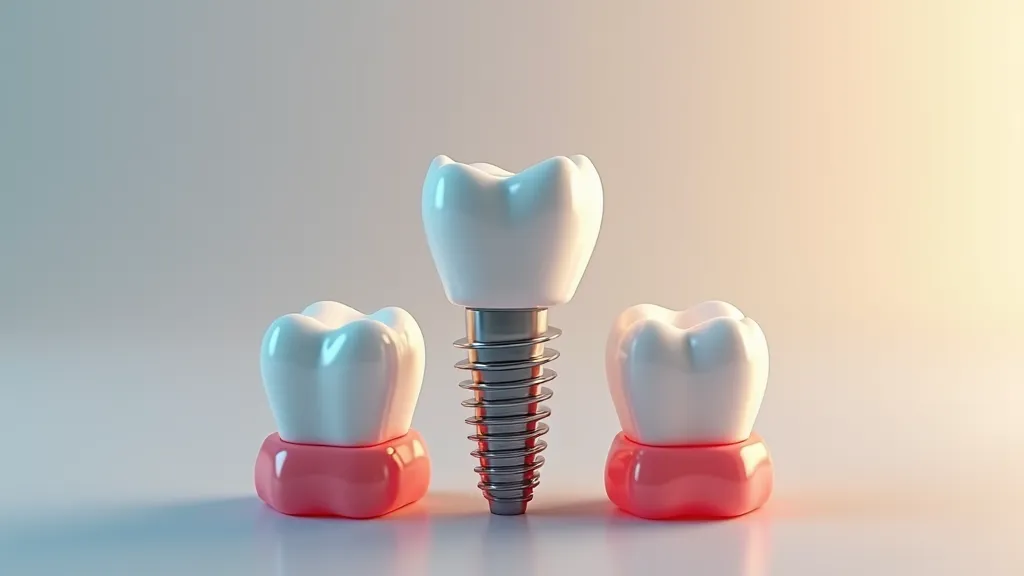
Unlock the Top Kept Secrets to Finding Your Ideal Dentist for Flawless Dental Implant Results!

Discovering Springdale Estates

Unveiling RS Sul Telecom Services

The Guide to Car Trading

Affordable Full Mouth Dental Implants Near You
Discover options for affordable full mouth dental implants, including clinical trials and local dental services that offer cost-effective solutions.

Understanding Full Mouth Dental Implant Prices
Explore the costs and factors influencing full mouth dental implants for seniors and others.
Comprehensive Guide to Dental Implants
This comprehensive guide delves into the intricacies of dental implants, providing a global perspective with a special focus on Implantswiss. Dental implants, a pivotal advancement in restorative dentistry, offer solutions for missing teeth, aiding in oral health and functionality. This article navigates through cost-effective solutions, global pricing comparisons, and the role of Implantswiss in elevating dental care standards internationally.

Affordable Dental Implants Near You
Discover low-cost dental implants and quick solutions to fix your teeth with full mouth options available near you.

Understanding Dental Implant Prices and Options
Explore dental implant costs, funding, and full mouth options for a confident smile in 2025.

Affordable Dental Implants Near Me: Your Guide
Discover affordable dental implants, funding options, and fast solutions for fixing your teeth near you in 2025.