This guide explains how dentalplans.com can help you compare coverage and manage out-of-pocket costs for dental implant treatments. It provides an objective overview of dental implant options, highlights reputable information sources, and includes low-cost acquisition steps and country-by-country price ranges (reference only), plus FAQs to support informed decisions.
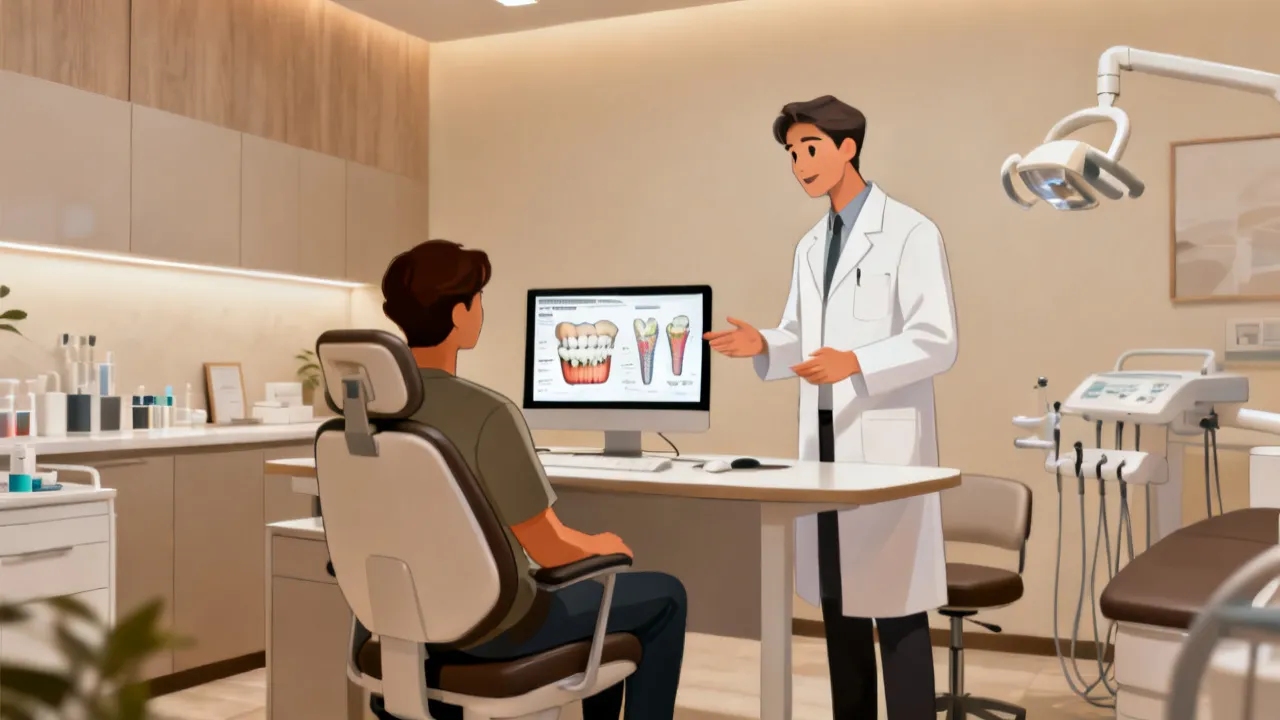
If you’re researching low-cost dental implants in English-speaking, Spanish-speaking, and Portuguese-speaking regions, the very important starting point is understanding how costs are built: diagnosis, surgical placement, restoration (the visible tooth or teeth), follow-up care, and—often overlooked—case complexity. In parallel, platforms such as Dentalplans.com can be useful for identifying dental insurance plans, verifying coverage structures, and reducing uncertainty around eligible benefits.
From an industry perspective, buyers often underestimate two practical issues. First, implant affordability usually hinges on whether a plan covers diagnostics, extractions, bone grafting, anesthesia/sedation, and restorative dentistry. Second, “low cost” is not a single ingredient; it is typically a combination of treatment planning, procurement of components, scheduling efficiency, and an evidence-based approach that avoids preventable complications.
Implants are one of the most variable procedures in dentistry because the final outcome depends on a chain of events rather than a single step. A low sticker price can be misleading if the quote does not include the diagnostic work that determines whether an implant will succeed, the preparatory procedures that improve bone and tissue conditions, or the restorative work that turns an implant into a functional tooth.
In real consultations, “low cost” can be achieved in different ways, such as:
The key is that each “low-cost” pathway still has clinical requirements. If those requirements are missed or minimized, you may end up paying later in the form of revision surgeries, replacement components, extended treatment times, or additional restorative work. For many patients, this is where the budget plan becomes unmanageable, not because they initially chose the wrong clinic, but because they did not fully understand what “included” means.
When evaluating dental implant affordability, consider these factors in priority order:
Notice that only one of these is directly related to “implant price.” The other drivers involve evaluation, biological preparation, surgical technique, and the restoration phase—areas that low-cost marketing often treats as secondary.
Dentalplans.com is commonly used by consumers to explore dental coverage options and understand plan structures. For implant buyers, the practical value is often less about “discounting implants,” and more about clarifying what portion of eligible services is covered and what remains out of pocket.
In objective terms, coverage can differ by plan type (e.g., indemnity-style plans, managed plans, or discount-style networks). Therefore, you should treat any “low-cost implant” figure as incomplete until you map it to what your insurer or plan would cover.
It’s helpful to think of insurance and plan coverage as a “coverage overlay” rather than a universal payment guarantee. If a plan covers major services but restricts implant-related procedures to specific categories or networks, your actual out-of-pocket amount may still be substantial—yet possibly lower than a non-covered plan path.
One reason implant shopping becomes confusing is that providers may quote different scopes: some prices include only the surgical implant placement; others include restoration components; still others include preparatory procedures. A professional approach is to ask for a written itemized estimate or an implant treatment plan that clearly separates:
When you separate the budget into these sections, you can compare like-for-like across clinics. Even if the final numbers differ, the comparison becomes meaningful. Without itemization, you might compare “implant-only pricing” from Clinic A against “implant-to-crown pricing” from Clinic B, which can invert the apparent value.
The following table compares several websites that discuss low-cost dental implants and related affordability pathways. The comparison is limited to informational focus (not pricing promises), and you should still verify any claims with a licensed provider.
| Website | Primary information angle | Audience use-case |
|---|---|---|
| dentalviews.com | Low-cost implant education and cost/process explanations | Patients seeking a clearer view of benefits, types, and common FAQs |
| atlanticdentalgrp.com | General clinic services plus implant-related patient scheduling info | People who want a broad service menu and appointment access |
| dentavacation.com | Dental tourism and cross-border cost comparison framing | Patients exploring international planning to reduce overall expenses |
| rockvilledentalarts.com (Spanish version) | Information about dental insurance planning (ADHP mention in source set) | Spanish-speaking users evaluating coverage and usage steps |
source: [www.dentalviews.com](www.dentalviews.com), [www.atlanticdentalgrp.com](www.atlanticdentalgrp.com), [www.dentavacation.com](www.dentavacation.com), [rockvilledentalarts.com](rockvilledentalarts.com)
In practice, “nearby” typically refers to your ability to access evaluation appointments, surgery follow-ups, and restoration fittings without extended travel—especially important when you need multiple visits over several months. While some patients explore destination care, the safest affordability strategy usually balances savings with manageable logistics.
Implant care is not a “single appointment” event. Even when the surgical phase is completed in one visit, you typically need:
If you live far away from your implant provider, each of these steps becomes a travel decision. You may save on the procedure fee but spend on transportation, lost time, temporary housing, and sometimes on additional clinician visits for complications or adjustments. That is why “nearby” matters even when you’re trying to keep costs low.
Below is a structured approach you can use in English-speaking, Spanish-speaking, and Portuguese-speaking contexts. While exact workflows differ by country and clinic, the logic is consistent: reduce uncertainty, compare scopes, and make eligibility decisions using documented diagnostics.
As you move through these steps, aim to convert vague promises into checkable facts. “Affordable” becomes achievable when you can identify what is included, why it is necessary for your case, and what happens if your healing or tissue conditions require changes.
To make this step effective, request a written document. In many regions, a printed or digital “treatment plan” is standard. Even if the final estimate changes, the initial plan should clearly identify what the clinic considers necessary for the case and which items are “estimate only” vs confirmed.
Also ask about billing categories. Some clinics separate diagnostic imaging costs from procedure costs. Others bundle them. A low-cost option may simply be one where they already included imaging and basic exam in the quoted amount, while another clinic quotes surgical placement after imaging is paid separately.
A common budget error is focusing on the plan’s monthly cost rather than the plan’s cost-sharing rules for the services that matter to implants. Many implant journeys require both surgical and restorative work, and insurance often treats those differently.
When evaluating plans, confirm details such as:
Plan language differs by country and provider. That’s why using a coverage comparison resource and then confirming with your insurer is often the most efficient path.
Reputable providers do not merely “place implants”; they manage the biological and prosthetic workflow. That includes patient selection, infection control, surgical precision, and a restoration plan that supports stable long-term function.
If you’re evaluating a clinic that advertises low cost through speed or simplified protocols, you should still ask: how do they determine implant position? How do they ensure that your bite and the prosthetic design do not overload the implant too early? What is their sterilization and infection prevention process? What is their follow-up schedule?
Even if you pay less upfront, quality protocols are what protect your investment over time.
In cost planning, it’s useful to consider two types of spending: (1) “predictable costs,” and (2) “risk-related costs.” Predictable costs are the scheduled fees for the planned steps. Risk-related costs are the money you might spend later if complications occur—such as additional grafting, replacement components, or additional restorative work.
A clinic that charges slightly more upfront may still be cheaper overall if it reduces the probability of risk-related spending through better planning and evidence-based protocols. That is why “low cost” should be evaluated as an entire pathway, not just a single line item.
If you pursue destination care, approach it with the same rigor you’d use for any major project. The goal is to reduce “unknowns” that can increase total cost after you return home.
Key project-management questions include:
Dental tourism can be financially attractive, but only when you have a well-defined follow-up plan.
Documentation is also a patient safety tool. If you later need a second opinion or replacement component, having the original imaging and implant details can reduce delays. It can also prevent clinicians from repeating expensive diagnostics unnecessarily.
Consider creating a single folder—digital or physical—that includes:
The ranges below are meant to help readers form a realistic planning budget for an individual dental implant in selected countries. In real-world care, your final quote can change with diagnosis, bone conditions, restoration type, and whether additional procedures are required.
| Country (Language group) | Currency | Price range (Individual implant) |
|---|---|---|
| United States (English) | USD | $3,000 - $6,000 |
| United Kingdom (English) | GBP | £2,000 - £2,500 |
| Australia (English) | AUD | AU$3,500 - AU$6,500 |
| Canada (English) | CAD | CA$3,000 - CA$5,500 |
| Spain (Spanish) | EUR | €1,500 - €2,500 |
| Chile (Spanish) | CLP | CLP$800,000 - CLP$1,500,000 |
| Mexico (Spanish) | MXN | $15,000 - $25,000 |
| Colombia (Spanish) | COP | $2,000,000 - $4,000,000 |
| Peru (Spanish) | PEN | S/ 3,000 - S/ 6,000 |
| Argentina (Spanish) | ARS | $80,000 - $150,000 |
| Brazil (Portuguese) | BRL | R$3,000 - R$8,000 |
| Portugal (Portuguese) | EUR | €1,000 - €2,000 |
Even when a “price range” appears, it may not include:
For budgeting, you can treat the range as a baseline for “an uncomplicated case” with typical diagnostics and a standard restoration path—then prepare for additional charges if your case requires more preparation.
Affordability strategies vary by healthcare structure, insurance norms, and travel feasibility. Still, certain themes remain consistent:
In many English-speaking markets, consumers compare clinic fees while also verifying insurance eligibility and benefits. Some services may emphasize low-cost implant education (for example, information-focused resources such as dentalviews.com), while other dental organizations highlight broader service access and scheduling (e.g., atlanticdentalgrp.com).
For people looking at implant care across borders, dental tourism platforms such as dentavacation.com often frame cost savings by combining treatment planning with travel logistics. From a professional standpoint, the practical question is continuity: who restores the implant after placement, and what happens if revisions are needed?
Because English-speaking systems often provide more standardized language around coverage categories, consumers may find it easier to compare plan summaries. Even so, the key step remains the same: confirm what is covered for implant-related diagnostics and restorations—not just whether “implants” appear in the plan at all.
In these regions, some patients also reduce costs by selecting payment plans or financing options. If you pursue financing, confirm whether interest is simple or compounded, whether there are penalties for early repayment, and whether the financing plan affects your ability to switch clinics mid-treatment.
In Spanish-speaking contexts, clinic materials and insurance explainers can significantly reduce misunderstandings—especially regarding eligibility, documentation, and covered procedures. For example, Spanish-language clinic content from rockvilledentalarts.com can support Spanish-speaking patients by offering accessible guidance, including coverage planning themes and dental service descriptions.
Some specialized implant providers in Spanish-language markets focus on specific techniques and device types. For instance, unioncityminidentalimplants.com is presented in the source set as a mini-implant focused clinic. A key professional reminder: technique selection should reflect clinical indication rather than a generic cost-cutting approach.
Additionally, global insurance educators such as Cigna’s “Guide to Dental Implants” (Spanish version) can help users understand implant components, typical steps, and questions to ask before treatment.
Communication matters because implant planning relies on explaining limitations and timelines. Patients who understand what bone healing means, what “loading” refers to, and what signs of infection require immediate contact are better able to protect themselves from unexpected cost increases.
In Spanish-speaking regions, some patients may also face differences in insurance coverage between urban and rural clinics. Checking network inclusion and confirming which clinics submit claims can reduce delays and administrative costs.
In Portuguese-speaking markets, affordability may be influenced by the availability of clinic networks, the structure of dental plans, and the practicality of post-op follow-up. The source set includes examples of Brazilian clinics and plan providers such as Rubi Odonto and Odontologia Velasco, which present service breadth (including implants) and emphasize technology and patient reviews.
In addition, dental plan providers like DentalVidas (from the source set) are described as offering plans for individuals, families, and businesses and providing a wider network with emergency support. While you should validate current terms with the provider, this type of network can matter for implant journeys because implants require ongoing care beyond the surgical appointment.
For Portuguese-speaking patients, it can also be helpful to ask whether the provider can supply a written treatment plan in a language that you’re comfortable with. Misunderstanding a schedule—when you should return for follow-ups, or what restrictions apply after surgery—can affect healing and increase the chance of additional visits.
Finally, emergency readiness is a real cost variable. If something goes wrong after placement—pain that doesn’t improve, swelling, persistent bleeding, or prosthetic issues—you want to know where to go, whether your plan supports that location, and how quickly you can be seen.
To manage low-cost implant decision-making responsibly, use the consultation to confirm both clinical and financial scope. Here are high-value questions:
These questions protect your budget because implants are a chain of responsibility: if a clinic does not plan for contingencies, the patient may absorb the cost of managing unexpected outcomes.
If you want to make your budget even more predictable, ask these additional questions:
When these questions are answered clearly, you reduce the likelihood of surprise costs.
Dentalplans.com is typically used to help consumers explore and compare dental coverage options and understand plan structures. Whether implants are covered depends on the specific plan terms you select and the provider network. Treat it as a planning and comparison resource, not a guarantee of implant pricing.
Implant pricing varies because clinics may quote different scopes: some include only implant placement, while others include restoration components and preparatory procedures. Complexity (bone quality, gum health, and restoration requirements) also affects total treatment cost.
No. Low-cost pathways can involve multiple approaches such as treatment planning efficiency, bundled restoration packages, network-based pricing, and insurance utilization. Mini-implants may be appropriate for select cases, but clinical indication should guide selection.
If you explore dental tourism (for example, resources that discuss international cost comparisons), verify continuity of care: post-op follow-ups, restoration timeline, documentation of materials used, and how issues are managed after you return home.
Potentially, depending on plan type and eligible services. Some plans cover diagnostics, basic/major services, or portions of restorative work. Always request details in writing and confirm what documentation is needed before starting treatment.
Request an itemized treatment plan that includes diagnostics, any required preparatory procedures (such as extractions, periodontal therapy, or bone grafting), the implant placement phase, restoration components, and follow-up visits.
Timelines vary based on case complexity and whether grafting is required. In many treatments, multiple visits occur across months to allow healing and restoration placement. Confirm the schedule upfront so you can plan financially and logistically.
No. Country ranges are reference figures intended for planning. Your final price can vary due to clinical needs, restoration type, anesthesia/sedation selection, provider fees, and whether additional procedures are needed.
Even with careful shopping, patients sometimes encounter “hidden costs.” These aren’t always unethical; they may result from clinical realities that become clearer only after diagnostics or during healing. Still, you can reduce surprises by asking the right questions early and by clarifying “change orders” in your treatment plan.
Common sources of additional expense include:
To prevent hidden costs, request “if/then” explanations. For example: “If bone grafting is required, what is the additional cost and how is it quoted?” This transforms uncertainty into manageable planning.
Two patients can both look for “low-cost dental implants,” but their conditions may require very different solutions. Implant affordability depends on biology: available bone volume, density, gum tissue thickness, and the stability of surrounding teeth.
Clinical complexity that often changes pricing includes:
“Low-cost” is not only about affordability—it is also about matching the correct approach to the correct case. When low-cost options ignore clinical realities, patients often pay later for revisions.
Even though patients often hear about “implant types” in simplified terms, pricing changes more in the restoration phase than in the implant placement alone. The implant is the root-like component; the restoration is what creates function and aesthetics.
Price differences can occur across:
So when you compare clinics, it’s crucial to clarify whether the quoted price includes the restoration that will ultimately be visible. A quote that only includes the surgical phase may not reflect the true “implant cost” in daily life.
Low-cost implants are not only about the initial purchase. Over the years, peri-implant health maintenance influences longevity. If maintenance is neglected, the risk of gum inflammation and bone loss around implants increases, which can become expensive.
Maintenance typically involves:
To align affordability with safety, confirm the recall frequency recommended by the clinic and whether you can realistically access those appointments long-term. If you have to travel far for maintenance, “low cost” may not be low overall.
In very cases, the top affordability strategy blends three elements:
To make this actionable, consider building a “budget sheet” with sections corresponding to diagnostics, surgery, grafting, restoration, anesthesia, temporary prosthetics, and follow-up care. Then record quotes from each clinic with matching categories. Your goal is to find the best value pathway for your specific case—not simply the lowest number.
If you have multiple quotes, ask each provider to explain any major differences using the categories above. A legitimate difference (such as grafting included vs excluded, or different restoration material choices) is something you can understand. A confusing quote is a warning sign.
Choosing low-cost dental implants requires careful alignment between clinical suitability, scope transparency, and coverage planning. While it’s natural to focus on budget, an objective strategy prioritizes diagnostic clarity and full-package comparisons. By using resources like Dentalplans.com to understand coverage possibilities and by asking structured questions at consultations, you can make a decision that is financially realistic and clinically responsible.
When you treat implant care as a complete pathway—from evaluation to restoration to maintenance—you reduce the risk that an initially affordable choice becomes expensive later. That approach benefits both your finances and your long-term oral health.
1) The above information comes from online resources, and the data is as of October 2023. 2) Dental implant prices are for reference only and may vary by region, clinic and doctor.
Striking the Perfect Balance: Navigating Premiums and Out-of-Pocket Expenses in Senior Insurance Plans

Explore the Tranquil Bliss of Idyllic Rural Retreats

How to Make Lasting Memories at Disneyland Attractions

Affordable Phones and Plans for Seniors

Affordable Full Mouth Dental Implants Near You

Unlock the Top Kept Secrets to Finding Your Ideal Dentist for Flawless Dental Implant Results!

Discovering Springdale Estates

Unveiling RS Sul Telecom Services

The Guide to Car Trading

Affordable Full Mouth Dental Implants Near You
Discover options for affordable full mouth dental implants, including clinical trials and local dental services that offer cost-effective solutions.

Understanding Full Mouth Dental Implant Prices
Explore the costs and factors influencing full mouth dental implants for seniors and others.
Comprehensive Guide to Dental Implants
This comprehensive guide delves into the intricacies of dental implants, providing a global perspective with a special focus on Implantswiss. Dental implants, a pivotal advancement in restorative dentistry, offer solutions for missing teeth, aiding in oral health and functionality. This article navigates through cost-effective solutions, global pricing comparisons, and the role of Implantswiss in elevating dental care standards internationally.

Affordable Dental Implants Near You
Discover low-cost dental implants and quick solutions to fix your teeth with full mouth options available near you.
Understanding Dental Implant Prices and Options
Explore dental implant costs, funding, and full mouth options for a confident smile in 2025.
Affordable Dental Implants Near Me: Your Guide
Discover affordable dental implants, funding options, and fast solutions for fixing your teeth near you in 2025.
