This guide explains how to research and buy a “Tera 0km” car near you, with an objective overview of what “0km” typically means, which retailer types to consider, and how to evaluate total costs beyond the sticker price. It also outlines practical steps—shortlisting, inspection, financing checks, and delivery logistics—so you can compare offers efficiently across major online car marketplaces.

If you’re searching for Tera 0km, the fastest path to a smart purchase is to treat it like a total-cost decision, not just a listing price. Begin by confirming what “0km” means for the specific seller, then compare the full out-the-door figures (taxes, registration, delivery, documentation, and any required add-ons). After that, verify the vehicle’s condition through the seller’s stated inspection and warranty terms, and finally choose a financing or purchase structure that matches your budget.
In practice, the reason people overpay for “0km” listings is usually not the sticker price—it’s the sum of small charges, unclear warranty timing, mandatory accessories, or deals that depend on a certain financing approval. The goal of this guide is to help you avoid those traps, especially when the car is marketed as “new” or “like-new” but delivered through an online shopping flow with many handoffs (portal listing → dealer inventory system → finance office → delivery/registration process).
Because you’re buying nearby, you can also reduce risk by using in-person checks when possible and by asking for documentation before you schedule final payment. Even if you end up purchasing remotely, you can still create a “paper trail” that keeps the dealer accountable to what they advertised. Think of your purchase as a sequence of confirmations that build confidence step-by-step rather than a single moment of trust.
In car retail, “0km” is commonly used to describe a vehicle that has very low or zero odometer kilometers, which often indicates it is brand-new or effectively unused. However, the exact meaning can vary by country and by dealer policy—some sellers use it for new stock, others for “new vehicle, never registered,” and still others may apply it to vehicles that have been moved internally (e.g., dealership transfer mileage). That is why “Tera 0km” should be treated as a starting label rather than a guarantee of identical conditions across listings.
When you see “0km” in connection with “Tera,” the practical job for you is to compare:
It’s also important to realize that a listing can be accurate but still incomplete. A seller may say “0km” but not clearly explain whether the vehicle was driven to move it between locations, test features, or pre-load transport procedures. Even a few kilometers can matter when you’re trying to ensure you’re getting a warranty-starting-from-zero experience rather than a “new vehicle” with an earlier timeline.
Another practical reason “0km” matters: it affects how you compare price across categories. A “0km” unit should be compared to other “new stock” units, not to used vehicles priced similarly. If the seller’s fees and warranty terms bring the effective cost close to used-car territory, you might still be fine—but only if the documentation is clear and the total value is truly better.
So, treat “Tera 0km” like a prompt to ask higher-quality questions—not like a badge of guaranteed perfection.
For “car on sale” style shopping, many buyers begin at online aggregators or large retailers that consolidate inventory and standardize search filters. Below is a comparison of official trading and marketplace websites commonly used for vehicle browsing and purchasing, including the official websites referenced in your prompt. These platforms are useful because they often provide structured filters (price range, body style, mileage, payment estimates), and they usually publish dealership or seller disclosures.
However, remember that marketplaces often present data that comes from dealer inventory systems. That means your job is not only to find a listing—it’s to verify the actual deal terms with the seller. Portals may show “0km” consistently, but they may not capture every fee, every condition nuance, or every warranty detail in the same way across dealers.
| Platform | What It’s Commonly Used For |
|---|---|
| cars.com | Large marketplace browsing with structured listings and dealer inventory across many vehicle categories. |
| Carmax | Dealer-led listings where vehicles are typically presented with detailed condition, pricing, and purchasing workflows. |
| Carsonsale | Vehicle listings focused on locating available cars for sale and comparing inventory across sellers. |
| Autotrader | Marketplace listings that help shoppers compare offers and search by location, pricing, and vehicle attributes. |
Source (information used for this section):
source: www.cars.com
source: www.carmax.com/cars
source: www.caronsale.com/en
source: www.autotrader.com
Source of the platform reference list: the official websites shown above (as provided in your prompt).
“Cheap” can mean different things—lowest sticker price, lowest monthly payment, or top value after considering warranty and total fees. Here is an approach that keeps the process measurable and comparable.
Instead of relying on “best-looking deal” impressions, you’ll create a framework that lets you compare multiple listings fairly. You’ll also build a negotiation baseline: once you know what the out-the-door cost and warranty timeline should be, you can press back if a dealer tries to expand the deal with unnecessary charges.
Even when you search broadly, you should decide a practical radius for inspections and delivery. Then establish two numbers:
This prevents “good deals” from becoming expensive once you include fees.
To make your budget truly usable, write down your assumptions. For example:
Then compare real quotes against your ceiling. If a listing looks cheap but your quote lands above your ceiling after fees, you don’t need to guess whether it’s a “real bargain.” It’s simply not within your budget.
When the listing says Tera 0km, check for textual clarification. The key is to confirm:
“0km” might still be entirely legitimate and still be the best deal—but only if you verify what it means in that dealer’s system. Some dealers track “0km” as an advertisement category even when there may be movement miles; others reserve “0km” for strictly zero or near-zero conditions.
Also, “0km” does not always automatically mean the warranty has never been claimed or transferred. Warranty start dates can be tied to first retail sale, first registration, or manufacturing date depending on jurisdiction and brand rules. If the seller cannot clearly answer the warranty-start question, it’s often a sign you need additional verification before moving forward.
Online portals often display headline prices, but you should compare total cost. As an industry practice, the very decision-relevant numbers are usually:
This matters even more for “0km” listings because some sellers present aggressive base pricing to attract clicks, then adjust the real price through the finance contract or add-on line items.
When you request a quote, ask for an itemized “out-the-door” breakdown. The best quotes will separate:
If the seller provides only a single “final price” figure without line items, treat that as incomplete. You might still close the deal later, but you lose leverage during negotiation because you cannot identify where the money is going.
If an offer appears discounted, look for evidence in the listing or in the dealer’s documentation: inventory age, regional promotions, or standard new-vehicle incentive programs. If incentives are not clearly documented, ask for a written breakdown.
Expert note: In many markets, “on sale” pricing may reflect limited-time promotions or model-year strategy. The safest approach is to request a quote that shows the reasoning behind the discount (promotion, rebate, or bundled financing terms).
Here’s how to approach incentives systematically:
If you can’t confirm the incentive logic, negotiate conservatively. That means you should not treat the advertised discount as guaranteed unless the dealer prints it into the purchase order terms.
A “0km” vehicle can still vary in coverage—especially if it is sold by a retailer that applies its own warranty tiers. Confirm:
Why this matters: early defects on a near-new unit can occur due to pre-delivery mishandling, manufacturing variability, or incidental damage during transport. If you rely on “0km” as a substitute for warranty confidence, you may be surprised later.
When discussing warranty, request specific details rather than general promises. For example:
Also confirm the return policy if the seller offers it. Some dealers have “buyers remorse” periods; others have “no return” policies but offer repair commitments. If the listing emphasizes “on sale” but not warranty details, ask for warranty paper and return terms early so you don’t lose time.
Even brand-new stock can face damage during transport or dealership handling. If the vehicle is being delivered, request:
If you can visit in person, inspect paint condition and tire sidewalls, and verify that VIN and listed specifications match the paperwork.
Here’s what to inspect specifically on a “0km” vehicle:
For your peace of mind, try to ensure the vehicle is inspected in a condition that matches what the dealer claims. In some cases, photos can hide imperfections; a video walkaround helps because you can see reflections, panel transitions, and how the car looks under multiple angles.
If you finance, compare not only the interest rate but the total cost of credit. A lower rate with a longer term can still be more expensive overall. Consider:
Expert note: Industry top practice is to request a quote with itemized fees and a financing worksheet, so you can compare apples-to-apples across offers.
Financing decisions should follow an order:
A common mistake is to compare monthly payments without understanding how they’re engineered. For example, a dealer may offer low monthly payments by extending the term or rolling extra add-ons into the loan. That can make the deal look attractive while quietly increasing the total cost.
Because you’re shopping “nearby” through an online ecosystem, risks shift from “hidden inventory” to “misaligned expectations.” The very common issues are:
To avoid misalignment, you should treat the listing as a starting draft, not as the final contract. Your goal is to ensure the terms that matter—warranty start date, out-the-door pricing, and inclusions—are present in writing before you commit money.
Also watch for “bait-and-switch” style pricing. It might not be malicious; it could be an error between inventory systems and pricing systems. Still, the result is the same: you lose leverage if you assume the advertised price will remain unchanged without verification.
To keep your decision structured, use the following decision criteria as a checklist. This is not about guessing—it's about defining what you will accept before you negotiate.
| Criterion | Why It Matters for Tera 0km Value | What to Ask the Seller |
|---|---|---|
| Odometer accuracy | Determines whether “0km” is effectively new or has been used in transfers/testing. | “Can you confirm the exact mileage and whether any pre-delivery kilometers were added intentionally?” |
| Registration status | Impacts warranty start date and potential eligibility for new-car benefits. | “Is it titled/registered anywhere yet, and when does the factory warranty start?” |
| Warranty coverage | Protects you against early defects and replacement costs. | “What is the warranty length and what systems are covered?” |
| Fees and delivery charges | Often determine the real price difference between two similar offers. | “Can you provide an itemized out-the-door quote including all fees and delivery?” |
| Return and dispute policy | Reduces risk if there is a condition mismatch upon delivery. | “What is the return/exchange policy if the vehicle condition differs from the listing?” |
| Included equipment verification | Some “packages” can add value, while others are low-value accessories bundled at high markup. | “Can you confirm exactly which trim and options are on this VIN, and list what’s included vs optional?” |
| Financing dependency | Discounts can evaporate or change if you don’t meet credit or financing conditions. | “Does the sale price require financing at a specific APR or term, and can you quote the cash price too?” |
| Documentation quality | Poor paperwork often signals future delays or disputes around warranties and registration. | “Can you provide the purchase order/worksheet showing fees, warranty start, and the VIN before I sign?” |
To shop effectively, use the platforms as a discovery layer, then switch to seller-level confirmation for anything you plan to buy. Here’s a workflow that an automotive retail professional would recognize.
When you browse large marketplaces like the official platforms referenced above, the advantage is breadth of inventory and consistent search controls. The key is to prevent “screen-based certainty” from replacing written confirmation from the seller.
In a disciplined shopping process, you can also reduce the number of dealers you contact. For instance, only contact sellers who meet your out-the-door ceiling once the expected fees are included. This saves time and gives you stronger negotiating leverage because you appear ready to buy.
“On sale” can be triggered by multiple legitimate factors. Common ones include:
The objective approach is to confirm the discount mechanism in writing—especially if the price looks significantly lower than similar listings.
If a “0km” listing is unusually cheap compared to near-identical VINs or trims, you should treat it as an inquiry, not a gift. Often it’s justified—like a promotion ending, a misclassified trim, or a dealership bundling incentives differently. But you must verify.
To verify without wasting time, ask for a worksheet that includes:
From an industry expert viewpoint, value in a “Tera 0km” purchase often comes from disciplined comparison rather than chasing the lowest visible price. Professionals typically prioritize:
In practice, the “top” deal is frequently the one where the paperwork aligns—odometer, VIN, trim level, warranty timing, and included equipment—while still meeting your budget.
What looks “cheap” on a portal can become “not cheap” when you add market adjustments, add-ons, or fees. Professionals avoid that by forcing the seller to itemize pricing and by insisting on VIN-level confirmation. That’s especially important for near-new categories where a slight classification difference (new vs pre-owned vs demo) can shift warranty timing and resale value.
Another industry reality: some sellers are more transparent than others. A transparent dealer reduces your cognitive load—you can focus on the car. If you find yourself repeatedly asking the same question (e.g., warranty start date or what’s included), that’s often a sign the listing is not being managed well in the back office.
“0km” typically indicates the vehicle has very low or zero odometer kilometers, often associated with new or unused stock. However, the seller may define “0km” differently (e.g., internal transport mileage). Always verify exact mileage and registration status in the listing and seller documentation.
It’s helpful to ask for the exact odometer reading at the moment of sale and at the moment you receive the vehicle. If the car is delivered, ask whether odometer will be re-checked at delivery and documented in writing.
Not necessarily. A “0km” label can still vary by how a dealer defines new-stock, and whether the car has been titled or registered anywhere. Warranty start date and registration context are crucial for an objective comparison.
Even if the vehicle is “new stock,” small differences in delivery timing, pre-delivery service, or initial registration can affect warranty start and possibly insurance rates depending on your jurisdiction.
Large online marketplaces and official retailer websites—such as the platforms listed in this guide—typically provide filters for location, price, and vehicle specifications. Use those search tools to shortlist, then contact the seller for a verified out-the-door quote.
When using filters, don’t rely solely on the keyword “0km.” Consider also filters like “new,” “new inventory,” “pre-owned with mileage under X,” or “demo.” If the portal supports it, filter by model year and trim to narrow to true comparisons.
Request an itemized out-the-door quote that includes taxes, registration, delivery, and documentation fees. Compare total cost across listings rather than relying solely on headline pricing.
Also ask whether the dealer includes any mandatory add-ons that will be financed or paid at purchase. If they do, ask whether those add-ons are optional. A fee being “mandatory” is one thing, but a fee being “optional yet required to finalize the deal” is another—clarify before you pay.
Yes, as a risk-reduction step. Even if the car is unused, transport and handling can cause cosmetic or component issues. Use photos/videos or, if feasible, a physical inspection to confirm condition and equipment before delivery.
Think of the inspection as verification, not suspicion. The goal is to align the car you receive with the car they promised, especially if there’s a delivery distance or complex transport chain.
Yes. Some promotional pricing is tied to financing terms, eligibility, or trade-in assumptions. Ask for written pricing breakdowns and compare APR and total loan cost, not only monthly payments.
If you’re comparing offers, request both the financed and cash-equivalent pricing whenever possible so you can understand how much of the discount is credit-dependent.
Do not proceed based on verbal statements alone. Ask for updated written confirmation referencing the VIN, trim, equipment, mileage, warranty start date, and fee structure.
A practical tactic: ask the dealer to email or print the corrected purchase order or quote that reflects the changes. If they refuse, consider it a deal-risk indicator.
They are official websites of the marketplaces/retailers they represent. They display inventory, but the final terms and verification still come from the specific dealer or seller handling the transaction. Always verify directly.
Even when the platform is official, vehicle availability and pricing can update frequently. Always treat the listing as a dynamic signal, then lock your deal terms in writing with the seller.
1) The above information comes from online resources, and the data is as of October 2023.
2) For more information, please refer to the official website.
Striking the Perfect Balance: Navigating Premiums and Out-of-Pocket Expenses in Senior Insurance Plans

Explore the Tranquil Bliss of Idyllic Rural Retreats

How to Make Lasting Memories at Disneyland Attractions

Affordable Phones and Plans for Seniors

Affordable Full Mouth Dental Implants Near You

Unlock the Top Kept Secrets to Finding Your Ideal Dentist for Flawless Dental Implant Results!

Discovering Springdale Estates

The Guide to Car Trading

Affordable Cell Phones Without Plans

The Guide to Car Trading
This comprehensive guide explores the dynamics of car trading through the lens of organizational culture theories by Cameron & Quinn. With a focus on how these theories influence business operations and consumer behavior in the car trading industry, this article also introduces platforms where vehicles are commonly traded. Considered resources like Autotrader and Carmax, ensuring access to up-to-date car listings and information.
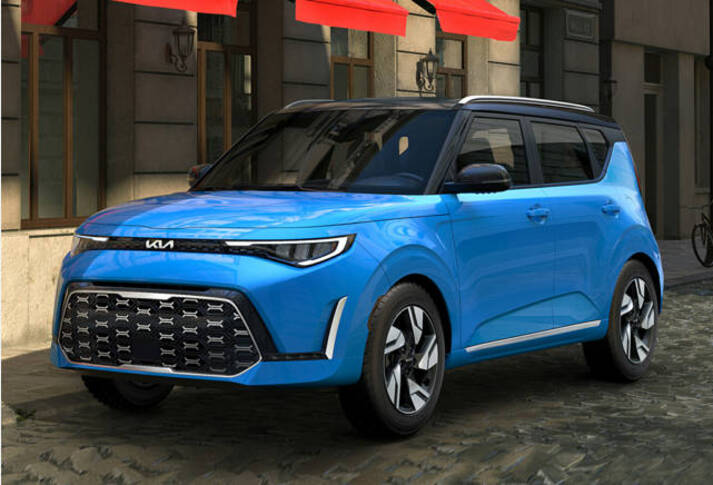
Choosing the Perfect Economical SUV for the Elderly
Selecting an economical SUV for seniors involves considering affordability, comfort, and safety. This guide offers valuable tips to help older adults find their ideal vehicle.
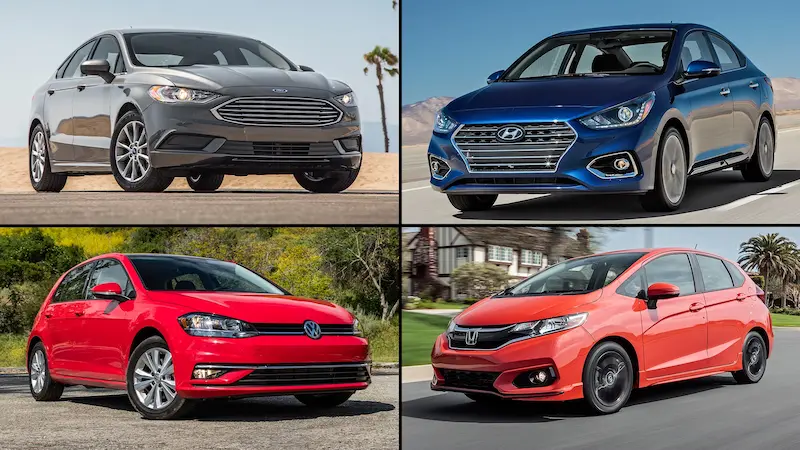
Smart Tips for Seniors to Find the Top Used Car Deals
As a senior looking to purchase a used car, you're in a unique position. With years of life experience under your belt, you have the wisdom to make informed decisions. However, the used car market can be complex and occasionally deceptive, and there are many factors to consider to ensure you get the best deal possible. This guide provides practical advice to help you navigate the used car market confidently and secure a reliable vehicle at a great price.
Ultimate Guide to Elevate Your Kona SUV's Comfort and Convenience for Endless Road Trip Enjoyment!
Setting Out on Extended Journeys with Your Kona SUV

Maximizing Your Purchase: Ram 1500 Deals and Towing Capacity
Purchasing a new vehicle can be daunting. Discover how to secure the top Ram 1500 deals while ensuring you have the towing capacity you need.
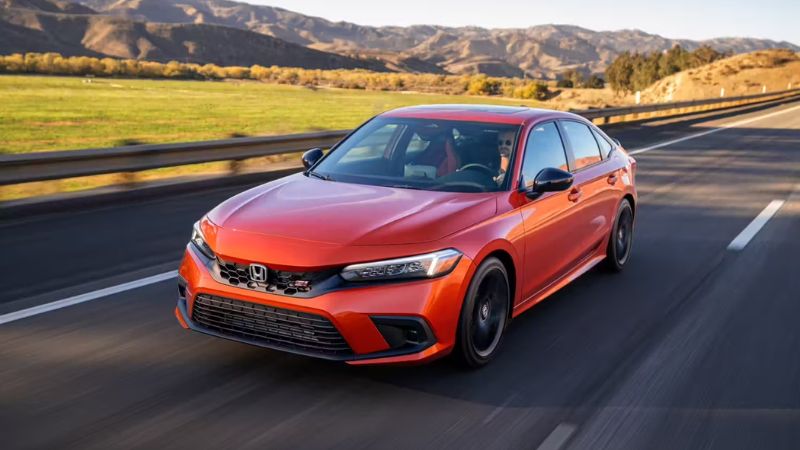
Top 10 Very Amazing Budget-Friendly Cars of 2018: Drive with Style Without Breaking the Bank!
For many individuals, acquiring a vehicle is a goal that represents stability and independence. However, the journey to car ownership is paved with considerable financial commitment and an obligation to thoroughly vet the options available. Astute purchasers weigh a myriad of elements prior to sealing the deal on a new ride. Among these elements, the cost is often the deciding factor in determining which automobile will ultimately occupy their garage.
